


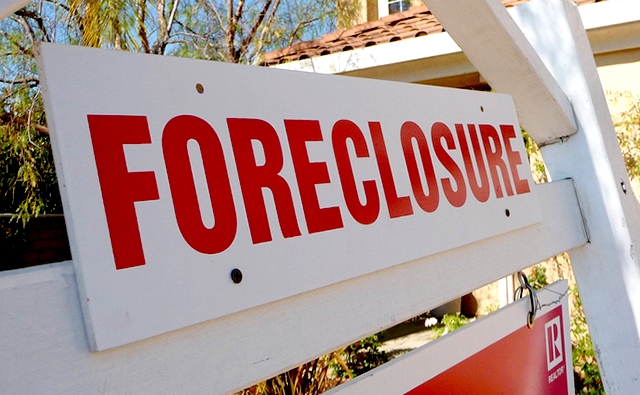
If you've fallen behind on your mortgage and a foreclosure notice has arrived, please know two things: you have rights, and there may be a way to stop or delay the sale — but in Texas you have to move quickly. Texas allows one of the fastest foreclosure processes in the country, sometimes only a few months from the first missed payment to a sale. The good news is that an experienced foreclosure lawyer can review the lender's notices for mistakes, negotiate to keep you in your home, and use legal tools that can buy time and options. The sooner you talk to a lawyer, the more you can do. Finding the right one is free.
Facing Foreclosure? Talk to a Texas Lawyer Now — Free Referral
Time matters in Texas. Call or text 24/7. Get connected with an experienced foreclosure defense lawyer near you. The referral is free.
How Fast Does Foreclosure Happen in Texas?
Texas foreclosure can move from a missed payment to a sale in a matter of months — far faster than in many other states. Most Texas mortgages are foreclosed non-judicially, meaning the lender does not have to file a lawsuit first. Under Texas Property Code Section 51.002, the lender must give you a notice of default with at least 20 days to cure, then a notice of sale at least 21 days before the sale, which is held on the first Tuesday of a month at the county courthouse. Because the clock runs fast, the single most important thing you can do is talk to a lawyer the moment you realize you're in trouble.
The Texas Foreclosure Timeline at a Glance
| Step | What happens | Timing |
|---|---|---|
| Notice of default | Lender demands you cure the past-due amount | At least 20 days to cure |
| Notice of sale | Written notice the property will be sold | At least 21 days before sale |
| Foreclosure sale | Public auction at the courthouse | First Tuesday of the month |
Every one of these steps has legal requirements the lender must meet exactly. When they don't, a lawyer may be able to challenge the foreclosure.
Can a Lawyer Stop or Delay My Foreclosure?
Often, yes — depending on the facts, a lawyer may be able to stop or delay a Texas foreclosure in several ways. There are no promised results, but experienced foreclosure lawyers regularly use options such as:
- Challenging the lender's notices — if the notice of default or sale didn't follow Section 51.002, the sale may be defective.
- Negotiating a loan modification or repayment plan — many lenders will work out new terms to avoid foreclosing.
- Reinstating the loan — paying the past-due amount to bring the mortgage current and stop the sale.
- Filing Chapter 13 bankruptcy — the automatic stay immediately halts the sale and a plan can let you catch up over time. See our bankruptcy lawyers page.
- Seeking a court order — if the lender broke the law, a lawyer can ask a court to stop the sale.
Home-Equity Loans Get Extra Protection in Texas
If your foreclosure involves a home-equity loan, Texas law requires the lender to get a court order before foreclosing. The Texas Constitution gives homeowners special protections on home-equity lending, which means a home-equity foreclosure generally can't proceed through the fast non-judicial process — the lender must go to court first. This is one of many reasons it pays to have a lawyer look at exactly what kind of loan you have and whether the lender followed every rule. The State of Texas also publishes consumer guidance through the Texas Law Help foreclosure resources.
What Are My Options If I'm Behind on My Mortgage?
Even when foreclosure has started, you usually have more options than you think. A lawyer can help you weigh:
- Reinstatement — catching up the past-due balance.
- Loan modification — new terms that lower or restructure the payment.
- Forbearance or repayment plan — temporary relief to get back on track.
- Short sale or deed in lieu — ways to exit without a foreclosure on your record.
- Chapter 13 bankruptcy — a court-supervised plan to keep the home and catch up.
Which path is best depends on your loan, your income, and how far the process has gone. That's exactly what our free referral service is for — to get you in front of a lawyer who can map it out.
How the Right Foreclosure Lawyer Helps You Keep Your Home
A foreclosure lawyer does more than buy time — the right one builds a strategy. They can:
- Scrutinize the lender's paperwork for defects that can stop or delay the sale.
- Deal with the bank and its lawyers so you're not negotiating alone.
- Pursue the option most likely to keep you in your home or limit the harm.
- Move fast, because in Texas every day counts.
Foreclosure defense is a paid legal service — fees vary, and many lawyers offer flat fees and payment plans — but our referral to that lawyer costs nothing. If a lawyer in our network offers an initial consultation, it is free. Get connected with an experienced foreclosure defense lawyer near you.
Texas Foreclosure Moves Fast — Your Referral to a Lawyer Is Free.
The sooner you call, the more options you have. Connect with an experienced Texas foreclosure defense lawyer now.
Related Help
Foreclosure rarely happens alone. These may help too:
- Bankruptcy lawyers — Chapter 13 can stop a sale and let you catch up on the mortgage.
- Disability lawyers — if a disability cost you income and put you behind.
- All legal topics — browse every kind of lawyer we can connect you with in Texas.
Frequently Asked Questions About Texas Foreclosure Lawyers
How fast does foreclosure happen in Texas?
Texas allows one of the fastest foreclosure processes in the country. For most mortgages, the lender must send a notice giving at least 20 days to cure the default, then a notice of sale at least 21 days before the sale, which is held on the first Tuesday of a month. From the first missed payment to a sale can be a matter of a few months, so it is important to talk to a lawyer as soon as you fall behind.
Can a lawyer stop or delay a foreclosure sale in Texas?
Often, yes. Depending on the facts, a lawyer may be able to stop or delay a Texas foreclosure by challenging defects in the notices, negotiating a loan modification or reinstatement, filing for bankruptcy to trigger the automatic stay, or seeking a court order if the lender violated the law. The right option depends on your situation, which is why an early consultation matters.
What is the notice of default and notice of sale in Texas?
Under Texas Property Code Section 51.002, before a non-judicial foreclosure the lender must serve a notice of default and intent to accelerate, giving the borrower at least 20 days to cure the default. If the default is not cured, the lender must give written notice of the sale at least 21 days before the sale date. These notice rules are strict, and mistakes by the lender can be grounds to challenge the foreclosure.
What are my options if I am behind on my mortgage in Texas?
Common options include reinstating the loan by paying the past-due amount, negotiating a loan modification or repayment plan, a short sale or deed in lieu, or filing Chapter 13 bankruptcy to catch up over time and stop the sale. A foreclosure lawyer can review your loan and the lender's notices to find the strongest path to keep your home or limit the damage.
Does bankruptcy stop a foreclosure in Texas?
Yes, at least temporarily. Filing bankruptcy triggers an automatic stay under federal law that immediately halts a pending foreclosure sale. Chapter 13 in particular can let a homeowner cure the past-due mortgage over a three to five year plan and keep the home. Whether bankruptcy is the right tool depends on your finances, and a lawyer can help you decide.
Is foreclosure in Texas judicial or non-judicial?
Most Texas home foreclosures are non-judicial, meaning the lender can foreclose without going to court if the deed of trust contains a power of sale. Home-equity loans are different: under the Texas Constitution, a home-equity foreclosure generally requires a court order. A lawyer can confirm which process applies to your loan and what protections you have.
How much does a foreclosure lawyer cost in Texas?
Foreclosure defense is a paid legal service, not a no-fee-unless-you-win arrangement. Fees vary by the lawyer and the complexity of your case, and many lawyers offer flat fees and payment plans. If a lawyer in our network offers an initial consultation, it is free. The referral through the Texas Lawyer Referral Service is free, so you can ask about your options and the likely cost before you commit.
Should I move out when I get a foreclosure notice?
Not necessarily. A foreclosure notice is not an eviction, and you generally have the right to stay in your home until the foreclosure is complete and any required post-sale process occurs. Leaving early can cost you options. It is best to talk to a lawyer right away to understand your rights before making any move.
How do I get a foreclosure lawyer in Texas right now?
Call or text 512-872-4400 24/7. Get connected with an experienced foreclosure defense lawyer near you. Because Texas foreclosure moves quickly, the sooner you call the more options you are likely to have. The referral through the Texas Lawyer Referral Service is free and there is no obligation.
Get a Texas Foreclosure Lawyer — Call or Text
Call or text 24/7. Connect with an experienced Texas foreclosure defense lawyer while there's still time to act. Text us to get started.
Texas Lawyer Referral Service · certified by the State Bar of Texas